Trapped by My Sugar Daddy is a tense psychological drama that explores power, dependence, and the quiet cost of luxury. The film follows Lena Hart, a struggling graduate student in a new city, drowning in debt and barely surviving on part-time work. Her life changes when she meets Victor Hale, a wealthy, charming businessman who offers mentorship, financial support, and what seems like a safe escape from instability.

At first, the arrangement feels mutually beneficial. Victor pays Lena’s rent, introduces her to high society, and encourages her ambitions. The cinematography reflects this phase with warm lighting and elegant settings, emphasizing comfort and security. However, subtle cracks begin to appear. Victor’s generosity comes with expectations—control over Lena’s schedule, her social circle, and eventually her choices.
As Lena becomes more financially dependent, Victor’s behavior grows possessive. He isolates her from friends, monitors her movements, and frames his control as concern. The film skillfully avoids overt violence, instead focusing on emotional manipulation and psychological tension. Close-up shots and lingering silences convey Lena’s growing unease, making the audience feel her confinement.
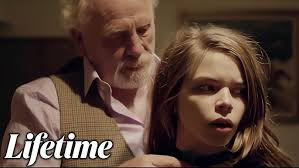
The turning point arrives when Lena realizes she has no access to her own money and no life outside Victor’s influence. Trapped not by walls but by obligation and fear, she must decide whether comfort is worth the loss of self. With quiet determination, Lena begins to reclaim control, secretly rebuilding her independence piece by piece.
The final act is understated yet powerful. Rather than a dramatic confrontation, Lena’s escape is marked by calm resolve and personal growth. The ending leaves viewers reflecting on autonomy, consent, and the fine line between help and control.
